LNG LIN LAR LOX CO2
SCROLL DOWN FOR MORE DETAILS

1 – CRYOGENIC STORAGE TANK ( LNG – LIN – LAR – LOX – CO2 )
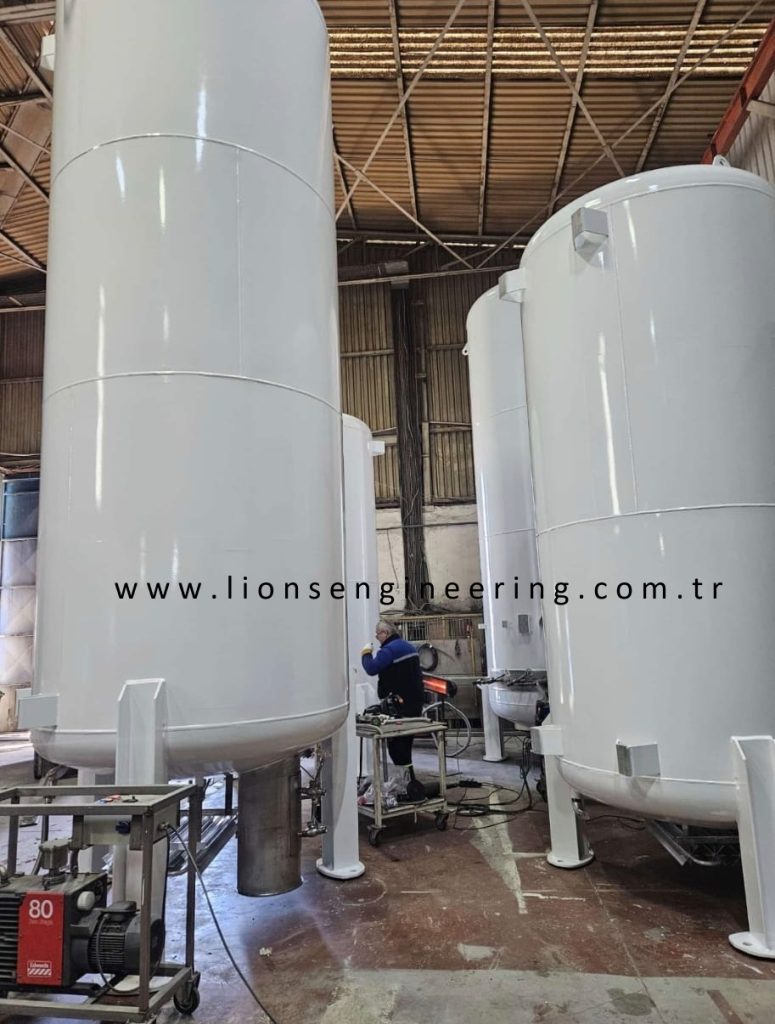
VERTICAL CRYOGENIC STORAGE TANK
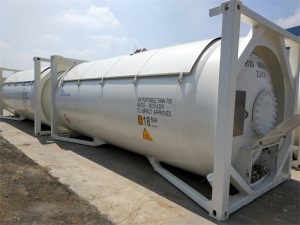
Cryogenic tanks are used for the storage of cryogenic liquids. Cryogenic liquids are typically liquefied gases at -150 °C or lower. Common gases include Liquid Natural oxygen, argon, nitrogen, hydrogen, and helium. They are stored in specially designed cryogenic storage tanks.
Vertical tanks are generally taller and narrower than their horizontal counterparts and are designed to offer optimal storage capacity in a smaller space with a limited footprint.
Cryogenic tanks are used for the storage of cryogenic liquids. Cryogenic liquids are typically liquefied gases at -40 °C or lower. Common gases include oxygen, argon, nitrogen, hydrogen, co2 and helium. They are stored in specially designed cryogenic storage tanks.
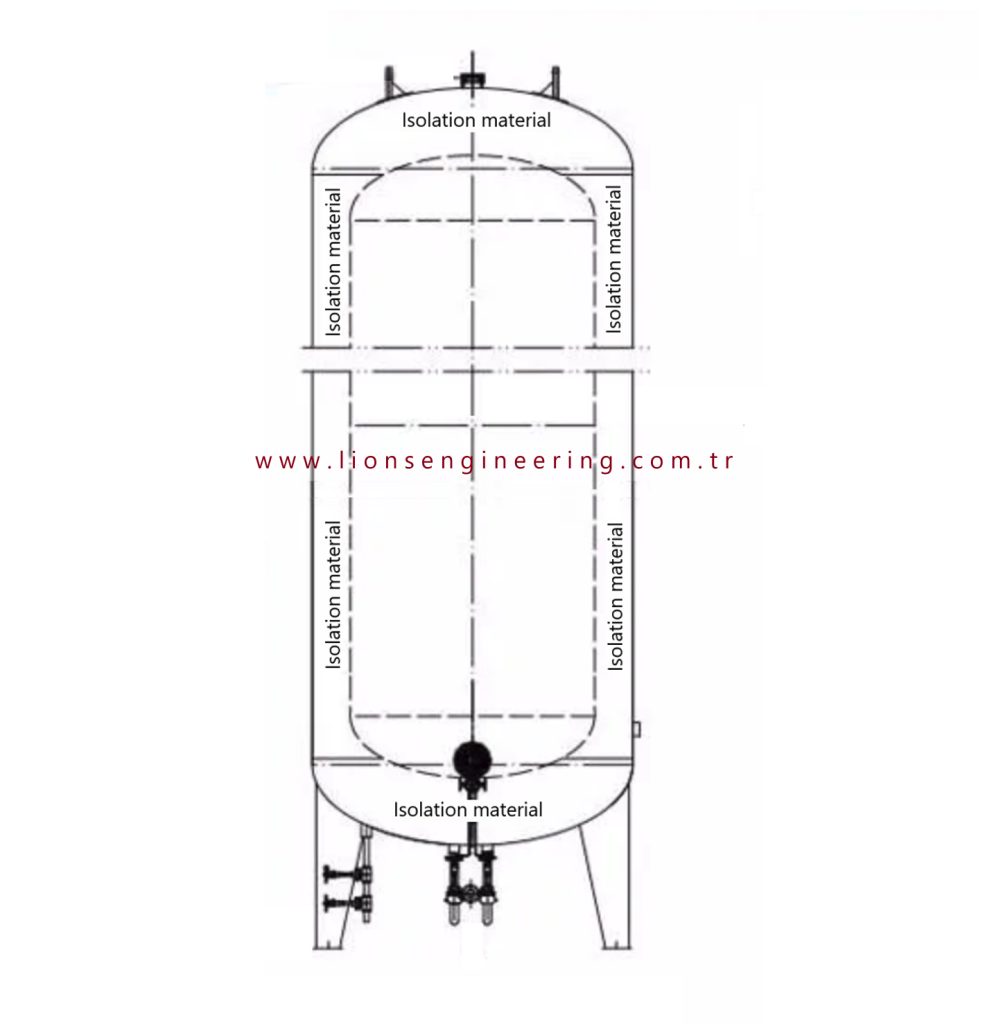
VERTICAL CRYOGENIC STORAGE TANK
These tanks are generally taller and narrower than their horizontal counterparts and are designed to offer optimal storage capacity in a smaller space with a limited footprint.
Cryogenic tanks are used for the storage of cryogenic liquids. Cryogenic liquids are typically liquefied gases at -40 °C or lower. Common gases include oxygen, argon, nitrogen, hydrogen, co2 and helium. They are stored in specially designed cryogenic storage tanks.
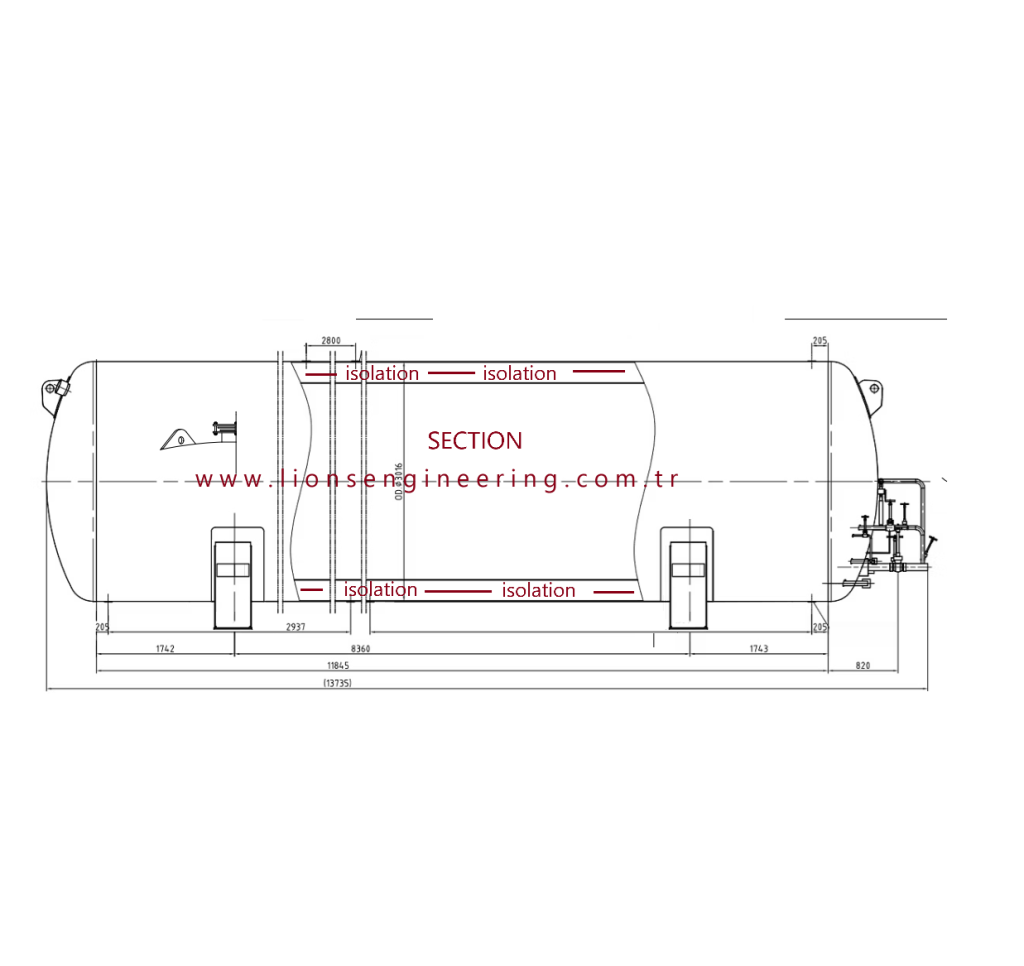
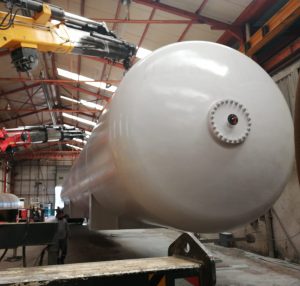
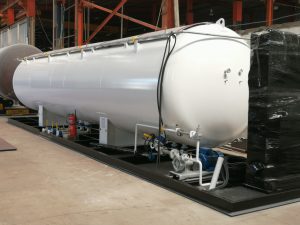
Horizontal tanks can eliminate concerns about height restrictions in confined spaces. Horizontal tanks are most often the preferred choice for smaller applicator tanks because they are easy to transport.
Cryogenic tanks are used for the storage of cryogenic liquids. Cryogenic liquids are typically liquefied gases at -40 °C or lower. Common gases include oxygen, argon, nitrogen, hydrogen, co2 and helium. They are stored in specially designed cryogenic storage tanks.
1 – CRYOGENIC STORAGE TANK ( LNG – LIN – LAR – LOX – CO2 )
VERTICAL CRYOGENIC STORAGE TANK
These tanks are generally taller and narrower than their horizontal counterparts and are designed to offer optimal storage capacity in a smaller space with a limited footprint.
Cryogenic tanks are used for the storage of cryogenic liquids. Cryogenic liquids are typically liquefied gases at -40 °C or lower. Common gases include oxygen, argon, nitrogen, hydrogen, co2 and helium. They are stored in specially designed cryogenic storage tanks.
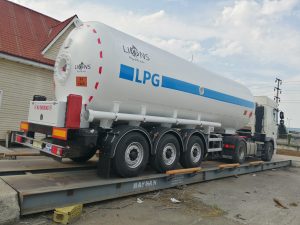
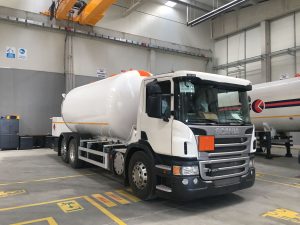
The material inside the tank is kept liquid by vacuum. As the truck travels the sun will heat the material, increasing internal pressure. At a predetermined limit, the relief valve will open, relieving any excess pressure into the atmosphere.
Horizontal tanks can eliminate concerns about height restrictions in confined spaces. Horizontal tanks are most often the preferred choice for smaller applicator tanks because they are easy to transport.
Cryogenic tanks are used for the storage of cryogenic liquids. Cryogenic liquids are typically liquefied gases at -40 °C or lower. Common gases include oxygen, argon, nitrogen, hydrogen, co2 and helium. They are stored in specially designed cryogenic storage tanks.
The material inside the tank is kept liquid by vacuum. As the truck travels the sun will heat the material, increasing internal pressure. At a predetermined limit, the relief valve will open, relieving any excess pressure into the atmosphere.
LPG Products